
A potato cleaning line changeover needs a defined batch boundary, controlled discharge of the outgoing crop, inspection of accessible retention points and separate collection of the incoming crop’s first output. Record potatoes and loose material separately, then assess carryover against agreed project criteria. Visible cleanliness alone cannot establish batch separation or validate sanitation.
Key takeaways
- Define the batch boundary for both accepted crop and waste streams.
- Record whole-potato carryover separately from soil and fragments.
- Inspect accessible retention points after the required isolation.
- Accept the procedure against predefined sampling criteria and stated limits.
Define where the outgoing batch ends
A potato cleaning line changeover becomes difficult when stopping the feed is treated as the end of the batch. Potatoes already inside the process can continue moving toward discharge, while soil, fragments and rejected potatoes follow separate paths. If the next crop enters before those paths are understood, the first output may contain material from both lots. The practical problem is establishing an observable boundary that operators can record and repeat.
Define the incoming and outgoing lot identifiers, the collection destination for each stream and who authorizes the next feed. Include interruptions, temporary accumulation and any material returned for another pass. We recommend recording whole potatoes separately from loose soil and fragments because they answer different questions: identifiable potatoes provide evidence of lot carryover, while debris shows where material remains or is released. Agree how transition material will be held before starting the trial.
Follow crop and impurities through separate paths
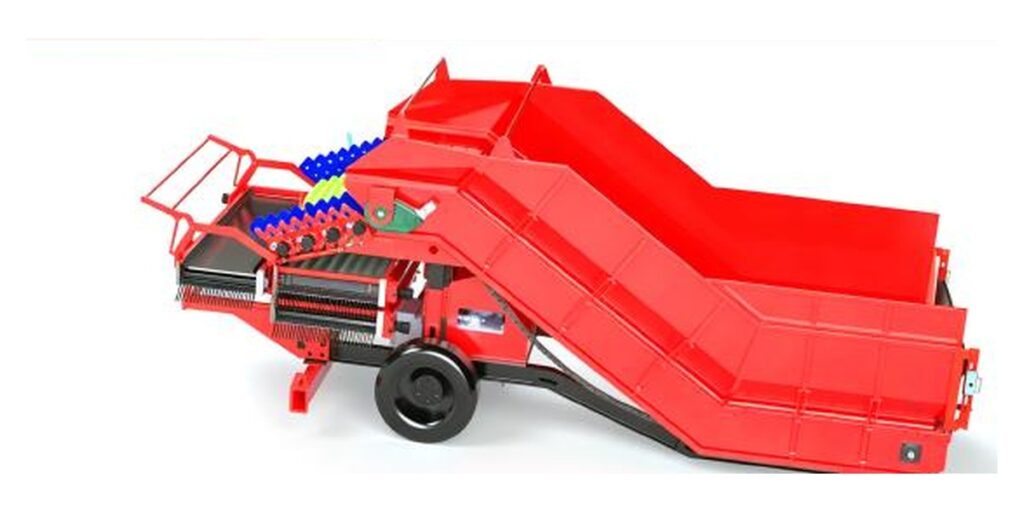
The Potato cleaning machine BQX-16 / BQX-20 / BQX-24 receives bulk potatoes and feeds a hydraulic cleaning roller. Its soft PU spiral blades, adjustable roller spacing and double-layer impurity conveyor support cleaning and separation. These features identify more than one material path to observe during a changeover. Watch the crop outlet and impurity discharge separately; completion at one outlet does not establish that the other path has cleared.
During a controlled trial, note where the last potatoes travel and whether debris continues emerging afterward. Then inspect accessible surfaces under the applicable isolation procedure. Potential retention locations should be identified from the actual installation, including transfers and discharge connections. Do not infer access arrangements or complete emptying from the cleaning mechanism alone. A site map linking each observation point to its discharge stream is more useful than one general entry stating that the machine was cleaned.
Check whether dry cleaning releases material late
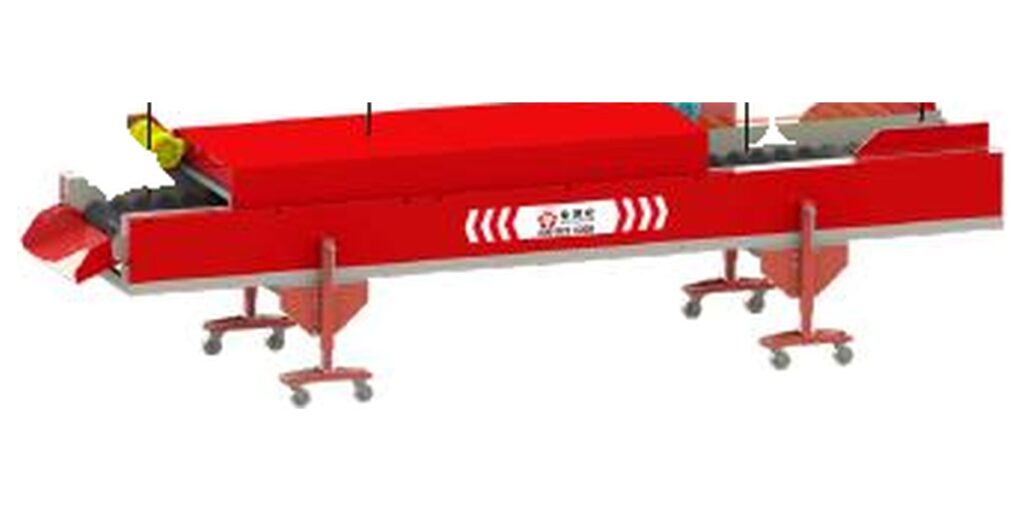
The potato dry cleaning machine uses rotating brushes to remove surface soil while potatoes move forward continuously. Long-board and short-board versions can operate alone or in a line. For changeover planning, distinguish material leaving with the last potatoes from material released later during empty running or the next feed. Brush contact explains soil removal, but it does not establish how much residue a particular crop will leave behind.
Observe the outgoing crop’s condition and record whether soil is loose, clumped or adhering to the surface. After discharge and isolation, inspect accessible brush areas and surrounding surfaces without assuming all internal regions are visible. If the opening portion of the next batch releases additional debris, compare its location and timing with the previous inspection record. This helps distinguish inadequate residue removal from fresh soil introduced by the incoming crop, although visual appearance alone may leave that distinction unresolved.
Include the inspection surface and waste channel
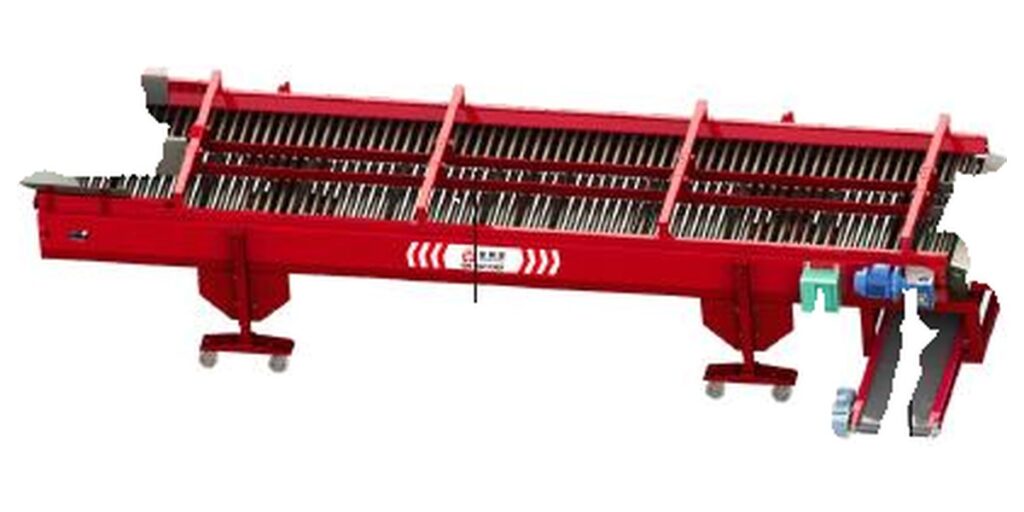
The potato selection platform uses chain-driven stainless rollers. Friction rotates each potato through 360° while workers remove bad potatoes to the central waste channel. Changeover observations therefore need to cover both the accepted crop path and the waste destination. Removing the last acceptable potato does not demonstrate that rejected material has left the channel or its downstream collection point.
Assign separate observations for the roller area, accessible transfer edges and waste collection. Workers should record any outgoing-lot potatoes found during inspection and identify where they were retained. Keep waste removal and next-lot acceptance decisions distinct so that clearing the reject destination does not automatically release the main crop stream. Where lots look similar, manual visual selection cannot reliably determine their origin. In that situation, physical segregation and a documented transition collection method become especially important.
Choose a configuration that makes changeover observable
Select the process stages required by the crop and its destination, then check how operators will observe and collect each discharge. A configuration review should address access to retention points, space for segregated transition material and clear identification of accepted and waste routes. These are project requirements, not implied equipment features. Our potato handling and processing solutions provide a starting point for discussing the required process sequence.
The listed capacities differ substantially, so connecting these stages does not establish one shared operating rate. Excess incoming flow can create temporary accumulation that complicates the batch boundary. Review the proposed feed rate and any accumulation between stages with the commissioning checklist for potato conveying and sorting, alongside the actual transfer and access plan. Also compare the two dry-cleaning lengths against the installation layout; machine dimensions alone cannot predict retained material or the time required for changeover.
| Product or version | Stated capacity | Described mechanism | Process role |
|---|---|---|---|
| BQX-16 / BQX-20 / BQX-24 | 40 t/h / 60 t/h / >90 t/h | Hydraulic cleaning roller; soft PU spiral blades; adjustable roller spacing; double-layer impurity conveyor | Bulk potato receiving, soil removal, impurity separation and warehouse intake |
| Potato dry cleaning machine — Long-board / short-board versions | 7-10 t/h | Rotating brushes remove surface soil while potatoes move forward continuously | Dry cleaning before manual selection, grading or packing; versions can operate alone or in a line |
| Potato selection platform | 5-15 t/h | Chain-driven stainless rollers; friction rotates each potato through 360°; central waste channel | Manual potato inspection before grading and packing |
Trial the transition with separate collections
Use representative crop samples and an agreed feed condition. Record the outgoing lot, machine settings, observed crop condition and the moment feeding stops. Keep collecting the outgoing stream while noting the last observed potatoes and subsequent debris discharge. Stop and isolate equipment before access or manual residue removal, following the applicable operating instructions. Record each inspected location and what was removed rather than relying only on elapsed cleaning time.
After the authorized restart, collect the incoming lot’s opening output separately in successive, predefined portions. Record each portion’s mass or collection interval, identifiable outgoing-lot potatoes and loose material. State the identification method before testing. If the crops cannot be distinguished reliably, do not report a measured potato carryover result from appearance alone. Repeat the transition under relevant crop conditions, keeping the collection method consistent so that a change in procedure can be assessed against comparable observations.
Use the discharge pattern to locate the problem
A cluster of outgoing-lot potatoes in the first collection suggests that material remained somewhere along the crop path. Intermittent later appearances justify investigating pockets, transfers or temporary accumulation in the actual installation. Debris that appears after crop discharge needs a separate investigation of impurity paths and accessible residue locations. These patterns guide inspection; they do not prove a specific mechanical cause without a matching observation at the suspected location.
Change one procedural variable at a time, such as the emptying sequence, accessible residue removal method or transition collection boundary. Then repeat the same observation method. For example, in a hypothetical trial, a later collection contains an identifiable outgoing-lot potato after the initial collection appears clear. That result would justify extending segregation and locating the retention point. It would not justify assuming that every later batch needs the same fixed waiting time.
| Observation | What to investigate | Record or sampling action | Interpretation limit |
|---|---|---|---|
| Outgoing-lot potatoes appear in the first incoming collection | Retained crop along the main material path | Segregate the collection; record potato count and inspected retention locations | The outlet result alone does not locate the retention point |
| Outgoing-lot potatoes appear intermittently in later collections | Transfers, pockets or temporary accumulation | Continue successive collections and match release timing to observations | One clear collection does not demonstrate complete clearance |
| Loose debris continues after the last observed potato | Impurity discharge paths and accessible residue locations | Collect debris separately and record its discharge location | Debris quantity does not directly measure potato carryover |
| Debris increases when the next crop enters | Residual material release and incoming crop soil | Compare incoming crop condition with post-cleaning inspection findings | Appearance alone may not establish the debris source |
| The two potato lots look alike | Whether the identification method can distinguish lot origin | Document the limitation and retain transition output separately | Visual sampling cannot support a reliable carryover count |
Accept a defined procedure with stated limits
Set acceptance criteria before the trial: inspected locations, permitted carryover under the agreed method, handling of transition material and the evidence required to release the incoming lot. Record crop condition, feed setting, discharge observations, residue removal and sample results together. A timed procedure may help operators plan work, but its adequacy must be linked to observations under the tested conditions. The commissioning checklist for potato conveying and sorting helps organize operating and transfer checks alongside this changeover record.
State the limits plainly. Sampling can miss occasional retained potatoes, inaccessible regions remain unverified, and similar-looking lots may prevent reliable identification. A procedure tested with loose, dry soil may need reassessment when soil adheres differently or crop size changes. Visual residue checks and batch carryover trials do not establish microbiological cleanliness or validate sanitation. Release the process against the agreed changeover criteria, and retain the record so future changes in crop or configuration have a clear comparison point.
Plan a changeover trial for your potato batches
Send our engineering team your changeover requirements, including representative crop samples, potato size range, soil condition, target operating rate, batch sizes, required lot separation, proposed process sequence, available access space and the acceptance sampling method. Include how you intend to identify outgoing-lot potatoes and where transition crop and waste will be collected.
- BQX-16 / BQX-20 / BQX-24 capacity: 40 t/h / 60 t/h / >90 t/h.
- Potato dry cleaning machine capacity: 7-10 t/h.
- Potato selection platform capacity: 5-15 t/h.
- The platform uses chain-driven stainless rollers. Friction rotates each potato through 360° while workers remove bad potatoes to the central waste channel.
Frequently asked questions
How long should a potato cleaning line changeover take?
There is no verified universal changeover time for these products. Establish a procedure through crop trials that record outgoing discharge, accessible residue removal and the next lot’s opening output. A useful operating time must be tied to the tested crop condition, configuration and agreed acceptance criteria.
Can empty running clear all potatoes from the line?
Empty running can be observed as part of a controlled discharge procedure, but it does not demonstrate that every retained potato or fragment has left. Inspect accessible retention locations after isolation and assess separately collected incoming output. Continued discharge or later carryover indicates that the procedure needs further investigation.
Does changing roller spacing solve batch mixing?
Adjustable roller spacing is a verified cleaning and separation feature of the bulk receiving cleaner. Its effect on changeover carryover must be established through a crop trial. Record the setting and compare discharge observations under consistent conditions; the feature alone does not establish complete emptying or lot separation.
How can we test carryover when both potato lots look similar?
Visual counting cannot reliably identify the previous lot when the crops are indistinguishable. Agree a suitable identification method before claiming a measured carryover result. Meanwhile, document discharge and accessible residue observations, and keep transition output segregated until its destination is decided under the project’s batch-control procedure.
Does a successful changeover trial validate sanitation?
A changeover trial evaluates the specified residue and batch carryover criteria under recorded conditions. It does not establish microbiological cleanliness or validate a sanitation program. Keep the acceptance record explicit about inspected surfaces, identification methods, sampling coverage and any inaccessible regions so its conclusions remain within the evidence.
Engineering note
Changeover acceptance should specify crop condition, operating rate, accessible inspection locations, lot-identification method and treatment of transition material. Results apply to the tested arrangement and sampling coverage; changes in crop condition or material routing may require another trial.
 English
 Chinese
 Spanish
 German
 French
 Russian
 Urdu
 Bengali
 Kazakh
 Ukrainian
 Dutch
 Polish